
Plan the enterprise.
Connect the intelligence.
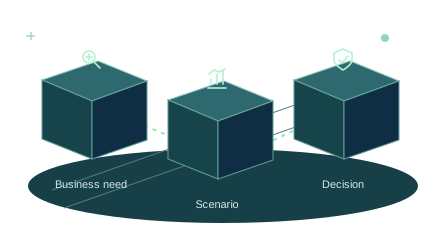
Tekplanit combines business-process design, enterprise architecture, EPM implementation expertise and a governed AI layer around the systems you already use. Anaplan is a deep specialist capability—not the limit of the platform.
From a planning problem
to a decision people can use.
Select a business use case. Follow the inputs, planning process, AI opportunity and human review. This is a scripted demonstration, not a live customer system.
A capital request needs a complete decision packet.
Start with the investment request, available actuals and an agreed approval policy. Preserve source ownership and flag missing inputs.
No AI API call, credit charge, funding approval or external write occurs. Approval here advances a demo only. Actual activation needs scoped tools, customer permissions and validation.
Your performance journey.
Not another isolated application.
Map the business
Decisions, process maturity, system dependencies, owners and measurable baseline.
Architect the journey
Planning definitions, data contracts, approvals, solution choices and target user experience.
Build the right solution
Configure applications and integrations around the agreed business process and acceptance criteria.
Make it usable
Role-based training, a practical CoE, adoption measures and business-owned workflows.
Operate with control
Validate source access, agent scope, evidence, model quality and supported human-reviewed actions.
Scale from measured value
Compare outcomes with the baseline before expanding to another function or system.
The EPM foundation
Financial planning, demand and supply, workforce, revenue, capital allocation and management reporting need consistent definitions and accountable business ownership.
Explore our Anaplan specialization ↗Other EPM selections are scoped through discovery. This page does not assert certifications, implementation experience or ready connectors for every vendor.
The intelligence layer
Map the system landscape, attach source evidence and reusable skills to the decision, compare options and route supported actions through review. Keep systems of record and customer permissions intact.
Explore the connected enterprise ↗OpenAI, Claude or an approved enterprise model is selected during solution design. Access, tool support and customer-specific validation determine activation.
Where should we start?
Define the right EPM journey
Map business requirements, readiness and target architecture before selecting the delivery scope.
Map the journey →Improve the planning estate
Explore migration, process redesign, integration, CoE and user enablement experience.
Explore the work →Layer intelligence with control
Use approved context, model routes, evidence and human review around a scoped planning decision.
Shape my AI pilot →Reusable skills. Customer-specific activation.
The supplied Skills Factory v0.5 pitch describes 158 skill templates, 18 role-agent definitions, 18 functional packs and 10 industry packs. These are versioned catalog definitions—not a count of deployed autonomous agents or production-certified customer workflows.
Clear answers before we begin.
What does Tekplanit help transform?
Tekplanit helps scope business-process design, enterprise performance management, system landscape mapping, implementation, enablement and a governed AI layer.
Does Tekplanit only work with Anaplan?
Anaplan is a deep specialization within a broader EPM and enterprise-systems approach. Other software choices and integrations are scoped and validated during discovery.
Are these customer-endorsed results?
No. These are anonymized leadership-experience stories based on supplied materials. Proposed AI enhancements and hypothetical value calculations are labeled separately from historical work.
How do we begin?
Choose an industry and use case, explore the delivery story, create a transformation brief, then request a scoped discovery session.
Start with the problem you need to solve.
Explore 22 expandable use-case blueprints with 22 industry lenses. Filter by function, compare up to three starting points and shape your own discovery brief.
Find my use case →